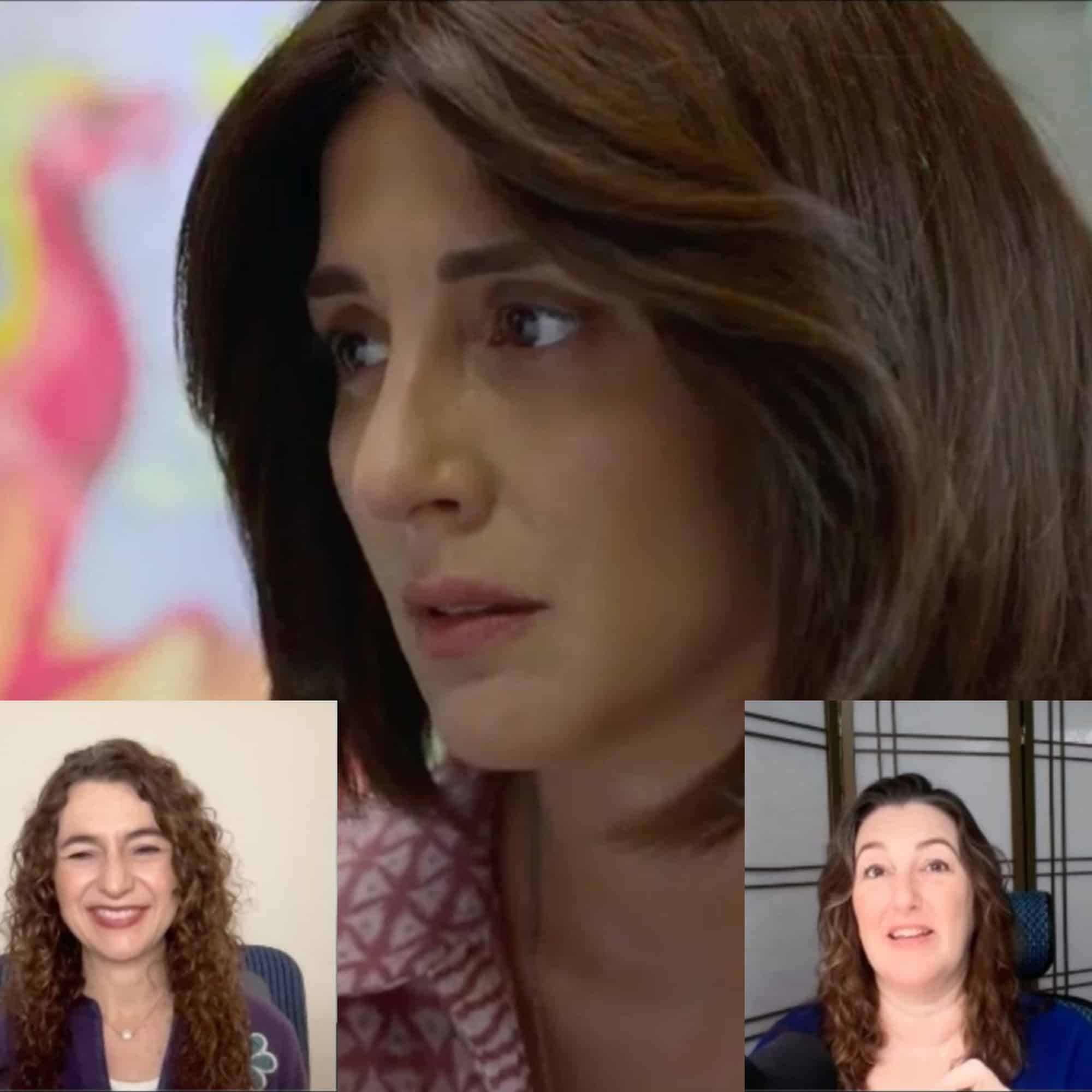

Having a big vision and actually bringing it to life sounds powerful… and it is. But what people don’t talk about enough is how isolating that role can feel.
On this episode of Lonely at the Top, Rachel sits down with John Valencia, President and CEO of the Good for Others Foundation — a leader who has raised nearly $1 billion for education and community initiatives. Behind the accolades is someone who deeply understands both the excitement and the solitude that come with being the one who sees what others can’t… yet.
From selling lollipops as a kid to leading multimillion-dollar nonprofits, John has always carried the weight of responsibility. In this conversation, he opens up about what it really means to be “the idea guy,” how storytelling becomes a bridge between vision and execution, and why genuine relationships are the foundation of everything he builds.
🌟 Highlight Moments
- How leadership has been part of John’s DNA since childhood — from early entrepreneurship to running multiple nonprofits and education institutions.
- The tension between his constant drive to achieve and his desire for meaningful, purpose-driven work.
- Why he identifies as a “maverick” visionary — and how he depends on strong executors to bring ideas fully to life.
- The loneliness that comes with thinking differently, and how charisma and storytelling have helped him connect others to his vision.
- His approach to hiring people he trusts — often friends — and how he balances deep care with organizational responsibility.
- Why having even one person at work who truly understands you can make all the difference as a leader.
At its core, this episode explores the unseen emotional landscape of leadership — the private ledger of someone who has spent decades creating, innovating, and pouring into others, while learning how to stay true to himself along the way.
Check out the full audio-only episode of Lonely at the Top to hear more from John Valencia, or listen on Apple Podcasts.
Full transcript below
Full Transcript
John Valencia: [00:00:00] managing teams is an art, and being able to find the right people who are there for the right reasons, changes everything. And
so I learned in education was there the mission and the values and the why behind what education does is so strong. And there’s a lot of people in education who are connected to that vision and that why, and there’s a lot who aren’t.
Rachel Alexandria: Mm-hmm.
John Valencia: And that I think is really, can be hindering when not everyone on the team is aligned for the same goals and, uh, and mission and in education, it’s, it’s really important. Um, it’s also equally important in the nonprofit space because we are mission led organizations and when you can really connect with the mission of the organization you’re working at, you are [00:01:00] exponentially better.
Rachel Alexandria: Mm-hmm.
John Valencia: when you understand, you know, whether it’s helping homeless or housing insecure or um, environment or things like that, or cancer or health related issues, right? And you have a tangible connection to that mission,
Rachel Alexandria: Mm-hmm. it changes everything
John Valencia: also have people who that, but also who you can trust, that I think has been, um. Something I have learned in the 20 something years of my career is really investing in humans, building relationships, and especially in the nonprofit space. I mean, all my jobs have all been relationship based and the success has come from those or having those really authentic relationships. But when when you have to work, half get to work with people you know, for a minimum of 40 hours a week. And sometimes it’s so much more than that. You really have to trust. And I think [00:02:00] that it’s been over time where, you know, I’ve hired folks who I’ve been friends with or I’ve worked before, and something about that where. It become you. You spend so much time with these people, dare you say, we’re not allowed to say this, but you love these people. You should, right? You’re spending so much time with them, like they know all you
Rachel Alexandria: Hmm.
John Valencia: You’re doing things right. Like I love the people I work with and always a no note to say that, but I do and, and I wanna make sure that they’re getting what need outta their career and that job and that role at that moment, and making sure that they feel valued and they feel part of that team and in the moment where they need something else in their career, I want to be also the first person who can help them and not feel scared or afraid to leave that space. And I feel like that’s where, when sometimes I look through the Rolodex of people I’ve worked [00:03:00] with and the same names sometimes come up, um, because of their experience, because of their dedication. Uh, it’s hard not to, I mean, I’ll still go through interview process and, and make sure I’m not fi missing a, a diamond in the rough that’s exists. That could be, you know? But if I can steal someone away from another organization because I know they’re great, um, you know, I, I look at my team now, I’ve stolen everyone, um, uh, even
Rachel Alexandria: Look out other organizations in San Diego. John’s coming for your people.
John Valencia: Uh, and I. think that that also just adds to the trust of
Rachel Alexandria: Yeah.
John Valencia: knowing, seeing someone for who they are, seeing them in a role, trusting or enabling them to do something and pivot. Um, you know, and I also believe that people, especially these days, are moving in and out from jobs and there’s no [00:04:00] succession planning.
And so in order to grow your salary and your expertise, you end up having to leave organizations and go somewhere else. And sometimes you even go back to that organization before they realize they should have paid you more to do everything in their power to keep you right. Um, but there’s so much of this now back and forth, and compared to generations before where people stayed in job
Rachel Alexandria: Right.
John Valencia: their entire career. I want to be able to, you know, if I could steal someone to help me do something really great, and they, it’s a win-win for them, for their career, and they get to come land and stay with me for a year or two or three or however long they want. I just love that. And again, it goes step back to just having the, trust and, and, and I guess maybe also helps with that isolation piece to,
Rachel Alexandria: Hmm.
John Valencia: to a, to a degree, right?
Because I do know them, they know me, they know my, my flaws, my, my, my strengths. And then we also know that we can jump into a conversation or s support a client or do or solve a problem,[00:05:00] leaning on our collective strengths and weaknesses together. And knowing that, and that, you know, sometimes when you hire someone new, it takes so long just to get to know that person,
Rachel Alexandria: Yeah,
John Valencia: the organization. And so when you can hire someone you know, or trust, or I’ve worked with in the past, you know, most of the time it works out really good.
Rachel Alexandria: well, part of what that tells me, so here’s a, this is a concept that we learned when I was in grad school because my schooling was both in systems, like we had organizational development people, and we went through some of the same training as the therapists went through
John Valencia: Hmm.
Rachel Alexandria: and vice versa. Um, we talked about, there’s two kind of times in any company, in any system where you’re, I don’t even know, like, like call it minor seasons or something like that. And they are called task and maintenance.
John Valencia: Hmm,
Rachel Alexandria: It’s time for tasks like we’re doing, everyone’s doing jobs, we’re having the meetings, we’re [00:06:00] executing stuff, whatever. And then there’s like a rumble in the system, something people are rubbing the wrong way. There’s miscommunication. It’s time for maintenance,
John Valencia: hmm.
Rachel Alexandria: right?
Yeah. Just like engines. Just like a car, just like a house, right? Like sometimes it’s just doing its job and functioning and then you have to have moments in time where you do maintenance. So what it tells me that you’ve been able to work with people you love and like I know you have a family member in your team. I know you have some of your good friends and people you hang out with outside of work time.
John Valencia: Yep.
Rachel Alexandria: To me, what it says is that you have a lot of skills in doing maintenance
John Valencia: Hmm
Rachel Alexandria: and not just task.
John Valencia: That makes a lot of sense. makes a lot of sense. Yeah. I can concur.
Rachel Alexandria: Yeah.
John Valencia: Yeah.
Rachel Alexandria: So I guess that’s a note for like, that’s just one way leadership can look [00:07:00] right, is for people who are building their own teams. For some people it wouldn’t work for them to, to have friends on it would just be too much, uh, let’s just call it emotional labor. But I think you have a lot of ability. You have a lot of skill with emotional labor.
John Valencia: well, I, and I think it’s also, you know, healthy boundaries that’s, you know, and checking those boundaries regularly to make sure that, you know, it’s, it’s, it’s healthy for both parties, parties involved. Um, you know, and I think also making sure that, you know, when I’m also hanging out with that friend who may have, you know, work with me or do something is like, I mean, so often we’re, you know, this happened last night having dinner, and guess what? You’re talking about work? And then we’re wait let’s not talk about work. And you’re like, but we both love it so much. And it’s like, okay, okay. Just a little and then we’ll get outta the way and then we’ll, and then we’ll just hang out. Um, and, but I guess it again, when it’s [00:08:00] people who are really passionate about this, like. I cannot just flip a switch at at 5:00 PM and say I’m now done with work. Like is me Like I am it. And I love that. And I think that that’s been, know, I’m not creating widgets even though maybe I created a cool widget that I love so much that’d be part of me. But that’s why I got into the nonprofit space. Like I’ve been doing this work that I feel is transformational and the more work I get to do only helps more humans, right? Like naming my organization good for others was very purposeful. ’cause that’s exactly what we love to do. And so, you know, that extra email before bed or text message or whatever it may be, only allows me to realize that it’s just continuing the momentum of the work and the work leads to transforming. Individual lives and family members of [00:09:00] those folks. And that, to me is just deeply, deeply satisfying and rewarding. And so I’ve just guessed over time, maybe we’ll talk about in that in therapy, but like these, you know, these boundaries of, like, that, that just to me is like I’ve, I’ve been like, oh, is this wrong? Like, it’s not wrong to me and or for me, right? And at this
Rachel Alexandria: Yeah.
John Valencia: for me, I love it and it fuels me and it excites me and it allows me to wanna wake up in the morning and be invigorated and refreshed to just continue doing that work.
Rachel Alexandria: I think for anybody, I’m just gonna interject and say for anybody asking the question, ’cause I get this pretty frequently from my clients, a question of like, is this the right thing or am I, you know, I’m doing this, but is it wrong? And I heard a little echo of that question there. And I would say, because different things work for different people, different strokes for different folks is the saying, right? I would say if it [00:10:00] brings you joy more than pain, if it brings you more joy than suffering, it’s not the wrong thing. And you just gotta watch for the balance and be honest with yourself if it ever flips
John Valencia: Mm-hmm. Yeah,
Rachel Alexandria: right.
John Valencia: I mean, a wise person may or may not be, you once said, you know, what are healthy boundaries? And I was like, what are boundaries? I have no idea. And you’re like, well, if you’re doing it out of a space of fear, then that’s probably not a healthy boundary, and if you’re doing it, that brings you joy. I was like, oh, that makes so much sense. And it really does. Like, I think I say probably say that so often. Every day I’m like,
Rachel Alexandria: should
John Valencia: I be doing this? Yeah. This brings me joy like I do. I wanna sit here and answer some emails and do this thing and brainstorm a cool new project I’m working on, even though it’s after hours and I shouldn’t be doing that. No, it brings me joy. I am gonna do that, and then I’m gonna fall asleep with a smile on my face.
Rachel Alexandria: Yeah. And joy is very different than relief from [00:11:00] guilt,
John Valencia: Mm-hmm.
Rachel Alexandria: right? There is a relief we get when we address something that’s making us feel guilty when we like stop having a should, and we do the thing, quote, we should. That can bring relief. But it’s not the same thing as joy. Joy is a buoyant experience. Like you say, you fall asleep with a smile on your face. Relief from guilt is like, ah, okay. And maybe you get a little dopamine from it, right? But it’s not gonna feel the same, so,
John Valencia: a bandaid.
Rachel Alexandria: right. It’s very good. It’s really important to notice the distinction. Alright, so that’s our little therapy moment for the audience today. Um, I wanna hear about a leadership decision or season that really tested you.
John Valencia: I have many,[00:12:00]
Rachel Alexandria: Yeah. In two decades, I’m sure you have lots.
John Valencia: All right, I’m gonna go where I didn’t think I was gonna go, I, without, without naming names.
Rachel Alexandria: Mm-hmm.
John Valencia: So I worked somewhere once
Rachel Alexandria: Mm
John Valencia: that I couldn’t enter the room as my true, authentic self. And
Rachel Alexandria: mm.
John Valencia: in the interview process, I was clearly, became clearly aware that that was, that was the truth.
Rachel Alexandria: Mm-hmm.
John Valencia: I had to make a decision was I going to leave a really amazing job and career and pivot. To something that I could also see myself as a potential really cool career avenue that was similar, but [00:13:00] different. And I took the leap of faith, um, because I saw what I believed or wanted to believe to be super shiny and, and knew and exciting, kind of going back to that idea of
Rachel Alexandria: As you said that you, yeah.
John Valencia: new,
Rachel Alexandria: Uhhuh
John Valencia: a new baby birth to birth. And I was really excited about that. And I let that excitement of something new overshadow some significant red flags in an process
Rachel Alexandria: Mm
John Valencia: and in those first six months on that job.
Rachel Alexandria: mm.
John Valencia: And I would say that that was something that I will always, every day honestly remember. Um, I think I see it now with oddly some fondness and, and not. Sadness, but the growth of the growth that I have seen myself because of those circumstances.
Rachel Alexandria: Mm-hmm.
John Valencia: I, again, without getting into too [00:14:00] many details, I basically wasn’t allowed to be me. Um, I was married at the time to man, and that man was not allowed to accompany me to work events, and told explicitly told that he wouldn’t be allowed
Rachel Alexandria: mm.
John Valencia: legal, as uh, as horrible as that was, yes.
Rachel Alexandria: Yeah.
John Valencia: also, uh, wanting this job so badly, this title, this coolness of it, um, I allowed myself to, to, you know, succumb to these authoritarian figures.
Rachel Alexandria: Mm-hmm.
John Valencia: To acquiesce, to give in, to lean into that shame that I had been trying to pull myself out of and to, you know, throw myself back in the closet for, for, for others and not for me.
Rachel Alexandria: Yeah. Not good for others
John Valencia: Not
Rachel Alexandria: not good for you.
John Valencia: good for John. [00:15:00] And,
Rachel Alexandria: Yeah.
John Valencia: it was a, you know, I’ll say about a, a year process for me to get through to, say I deserve better. Um, I’m worth more,
Rachel Alexandria: Yeah.
John Valencia: and scary to embark into the unknown. ’cause usually I don’t do, you know, leave a job without having something else lined in, lined up
Rachel Alexandria: Mm
John Valencia: I, I had to lean into believing in myself and saying, well, you, you’ll find something, but this isn’t healthy for you.
Rachel Alexandria: Yeah.
John Valencia: so I would say, you know, it. It’s, it’s sometimes really hard to, to sometimes follow something shiny and be blind to flags and things along the way, and and then
Rachel Alexandria: Yeah.
John Valencia: into a situation that you’re like, Hmm, I could have prevented this. but believed so much and I was, I was intrigued and curious. Um, and that [00:16:00] can get you into spaces where you’re like, Hmm. I would say now, again, grateful for those things. I, I, couldn’t have seen that when it happened, but now I’m like, well, honestly, I am. I kinda see that myself. I would never allow myself to be pushed back in the closet, never want to be
Rachel Alexandria: Good.
John Valencia: with people or clients who don’t just value me for the crazy brain that’s inside of here. Um, and, and not allowing me to just be my true, authentic self walking into every single room with my, you know. blue colored nail polish and, and just knowing like, this is me, like I’m tired of not being 100% authentically me in every
Rachel Alexandria: Hell yeah, absolutely. I love that. Yeah. I think that’s gonna resonate with pretty much everyone who listens because I think leaders all across the board, whether they’re L-G-B-T-Q-I-A [00:17:00] or um, a different ethnicity that is than the dominant paradigm in this country or you know, female or anything, right? Everyone has stuff that they feel like they have to suppress in order to excel.
John Valencia: I imposter syndrome. I mean, you walk into a room and, and know, brought it up earlier. Uh, right. I do look younger than my age, and thankfully for that, but that was really hard in my career when I was first starting. I mean, I literally looked like I was a 12-year-old kid, like at a board meeting on a, you know, and I, and they would be like, is your dad working today? Like, you know what I mean? Like, I’m like. Nope, I’m John. Right? And that happened over and over and over through my, my career. And so I always felt like I had to work harder to, to earn my keep when I was in in a space, you know, I was the youngest vice chancellor, um, the state of California
Rachel Alexandria: Hmm
John Valencia: when I had my [00:18:00] job. And that was a risk the chancellor made on me. Thank goodness she did. And, but I knew those first, not even three months, six months, maybe even first year I was there, I was going into spaces and having to convince and preach my resume without making it seem like I was doing that, but selling my worth over and over and over,
Rachel Alexandria: That’s exhausting.
John Valencia: find yes. Um, and I think, you know, at that point it was this idea of just trying to prove myself and say
Rachel Alexandria: Mm.
John Valencia: earned, I knew I earned this seat that I had
Rachel Alexandria: Mm-hmm.
John Valencia: others just judge a book by its cover and assume that, you know, I am or who must know someone to get this job. And I was like, actually, let’s sit in a room and like quiz
Rachel Alexandria: And you’ll find out.
John Valencia: that I know what I’m talking about and I’m pretty good
Rachel Alexandria: yeah,
John Valencia: you know, without being cocky, but knowing, understanding, like coming
Rachel Alexandria: yeah.
John Valencia: with that space of like, I, can’t be overly cocky or confident ’cause it comes off as cocky. Right? But
Rachel Alexandria: Right.
John Valencia: within [00:19:00] yourself of being like, okay, like you just take, just take me for what you get and hear me out.
Rachel Alexandria: Mm-hmm.
John Valencia: I would be able to win people over. But again, going leaning on Woo
Rachel Alexandria: Mm-hmm.
John Valencia: a charisma in order to be in those spaces to get get to
Rachel Alexandria: Yeah. Wow. I, yeah, I can only imagine how challenging that must be. Uh, like I had a tiny bit of that as a younger therapist, right? When I was first starting out as in psychotherapy, I was in my late twenties and I, I read facially relatively young for my age. And yeah, like, just try, like at, at that point, you know, not a lot of it was, it was hard to find a lot of 20 somethings in therapy and I wasn’t trying to do child psychology, so convincing people who are older than me that I could sit with them,
John Valencia: Yeah.
Rachel Alexandria: right?
John Valencia: You’re gonna fix my problems? You’re [00:20:00] new
Rachel Alexandria: Yeah.
John Valencia: know?
Rachel Alexandria: Yeah. You’re a brand new baby, you know? Yeah. And I start to get it now that I’m older and I look at, I try to help other people find, you know, referrals and things like that, or I look for a doctor, I’m like, why does everyone look younger than me? It’s freaky. But yeah, I, I can imagine that must have been.
Just like you have a lot of stamina and determination, a lot of other people would have given up, and you really, you just clearly have so much passion and drive to get through that over and over and over, and not become jaded or bitter by it.
John Valencia: I think, yeah, it’s about perspective. I mean, I will always be the most optimistic person when I enter a room and just thinking about meetings I was on before this, and that’s what I did. And, and it’s not fake. It’s true. Like
Rachel Alexandria: Mm-hmm.
John Valencia: I am definitely being like, okay, okay, this happened. All right, well this is just more of a challenge or an [00:21:00] opportunity to solve a challenge to me.
Right? And people are like, how do you do that? I’m like, do you really believe that? I’m like, no, I really do. Like, I’m like, all right, like this is gonna freshen us up and try something new and pushes for innovation. I think that’s what I love so much. Innovation to me is. So exciting with AI and all these things that we’re doing right now, exponentially
Rachel Alexandria: Hmm.
John Valencia: things are happening each Right. And I’m, I’m just, I’m here for it. Like, I’m like, early adopter want this because I wanna figure out how we can do this and apply that. But when there’s people on a team who aren’t that way, right, it can be, it can be hard. So yeah,
Rachel Alexandria: Yeah.
John Valencia: having the right team is really important.
Rachel Alexandria: Well at the top, and this is gonna be really interesting ’cause you are such a positive person. So we’re gonna open your balance sheet of burdens. We’re gonna look into the private ledger of John Valencia. So we’d love to know what is one cost you’ve paid for [00:22:00] being in leadership.
John Valencia: Wow. That’s a great question. I mean, I think I. Uh, that last example is a prime example. I, I, for a long time before I believed fully in my own self-worth and committed to myself to be authentically me, I, there was always a cost that was being, was being paid in order to be in those spaces, right? So, to not share fully who I love or, or what I love to do or the things that are excite me or, you know, dressing a certain way. Um, I’ve always had to do that. And it was [00:23:00] honestly just in the last probably five years where
I’ve consciously made that decision where. If I wanna have joy in my life and I really wanna experience it, then I need to be giving myself everything that I can within my scope and my control.
And I think that’s why running businesses, owning businesses has been so important for me because of the autonomy to not have to wear a suit every day to work,
Rachel Alexandria: Mm.
John Valencia: Which I did as a vice chancellor and would push the envelope to not wear an a, a tie on certain days when I didn’t have to. Right? Where like, I, there was just so much, um, and not being able to be truly authentically myself for so long. But what I believed,
I think, and you can tell me from your therapy view, right?
But I, I felt like I, I knew I was giving that up [00:24:00] because of what I believed, I knew in my heart I’d have down the road. And
Rachel Alexandria: Mm
John Valencia: For me believed and knew that this life I have now. Was hap gonna happen? I didn’t know
the steps I would get to get there, but I knew I was gonna have to work in some jobs and do certain things and, you know, in order to get to the point where I feel very lucky and fortunate to be at because, I wouldn’t have been able to be here without going through those steps,
Rachel Alexandria: Mm-hmm.
John Valencia: And so there’s the give and take of what I was willing to do, but there is always
a cost to it. And I, and I got to the point in my career where the cost became too much.
And that was in that role where I was inauthentically myself and I had to pivot and say, no, no, no, no, that’s not happening. Um, I need, I need to invest in me.
And
Rachel Alexandria: Mm-hmm.
John Valencia: that’s the most important part.
Rachel Alexandria: Yeah. So it’s kind of like the concept of paying your [00:25:00] dues, but you have to kinda decide are the dues worth it after a certain point,
John Valencia: Yeah.
Rachel Alexandria: what is one invisible asset you had but you didn’t maybe realize at the time?
John Valencia: Hmm, Ooh. An invisible asset. Great question. Um, I think that I hear a bunch of noise. Should we stop for a second?
Rachel Alexandria: Oh, you can hear the garage. The garbage truck.
John Valencia: Yeah. Is it your garage garbage truck or mine?
Rachel Alexandria: It’s our, it’s our garbage truck. Yeah,
John Valencia: I can hear it
Rachel Alexandria: it’s,
John Valencia: Should we just wait for a second?
Rachel Alexandria: yeah. Uh, was that the whole time? ’cause I can also mute.
John Valencia: just, it just started. I was like, what is
Rachel Alexandria: Okay. Yeah,
John Valencia: And I
was like,
Rachel Alexandria: I, stupid directional mic. Yeah, my directional mic shouldn’t have picked that up at all.
John Valencia: That’s
Rachel Alexandria: just be on mute for that part. So,
John Valencia: okay.
Rachel Alexandria: just, yeah. So did you hear it during the question that I posed?
John Valencia: Yeah. So what [00:26:00] invisible asset have I had that I,
Rachel Alexandria: I’ll just ask it again so Danica can clip it. Okay. So what is one invisible asset that you had at the time that maybe you didn’t realize you had?
John Valencia: I would say that my ability to really connect with someone on like, like in my world, I am a connector. It’s probably the easiest way to describe what I do. I’ll do it for all sorts of different sectors and projects, but I’m a connector, and the way I’m able to do that is by quickly being able to connect with a human. In a really meaningful way because I, I hate when people are fake. I hate when you can see right through the bull,
Rachel Alexandria: Yeah.
John Valencia: like, no,
Rachel Alexandria: Yeah.
John Valencia: here for? Right? And I think that’s why in my, in my nonprofit world, I was a really good [00:27:00] fundraiser and to raise
a
billion dollars, right? Is because if you can really connect with someone about the why about who you are and what you’re doing and what you’re selling, and whether it’s a widget you’re selling.
When I was, I was manufacturing Christmas lights one part of my life, right? Because I love Christmas and I love Christmas lights, but I was passionate about it, right? And so I could go and sell the mom and pop Christmas stores around the United States because I believed. but when you really do, like, it just becomes a lot easier to build rapport
Rachel Alexandria: Yeah.
John Valencia: trust within someone.
And so I think it was, it was not until I think later in life where I realized that that true invisible asset was. This kindness, this empathy, this realness. Um, and when I
was, it was probably when my true, authentic self was just starving to be truly itself right. Could find these humans and could find common commonality.
Right? deeper deeper
into someone and understand their why and [00:28:00] who they really are is what drove me to really
able
build
relationships with folks. And
Rachel Alexandria: Hmm.
it
John Valencia: has
you know, afforded me the amazing life that I have now with bringing the right clients together, bringing the right projects together, being able to, you know, open my phone and text someone and literally this just happened.
Tell them a crazy idea in less than a sentence. And they’re like, I’m in,
and next
and
Rachel Alexandria: Yeah.
John Valencia: know, we’re gonna start some new cool project together. And,
Rachel Alexandria: Ah,
John Valencia: again, right? Just being able to have that is, has been a cool asset.
Rachel Alexandria: okay. What is one investment that you’re making now for your wellbeing or your soul?
John Valencia: I mean, I think that the best investment I’ve been making is the many [00:29:00] aspects to my mental health journey. think, you know, I went through a really nasty, horrible divorce, um, you know, emotional and physical, like violence situation, which was really just horrible. And I think, I think it forced me to put myself in a very vulnerable space to be open. To meeting with therapists and multiple ones, right? I’ve done group therapies, I’ve done all sorts of really cool spaces to be like, do I like journaling? Do I like meditation? Do I like all these things to try to explore and open myself up to seeing what, what I connect with the most. Um, and it’s, you know, financial investment, but it’s also mostly [00:30:00] been a time investment
where I do have to carve out time and in my day to invest in conversations, to invest in journaling, um, music therapy, right?
Like I bought a race horse to go and now I, you know, hang out in the barn and just hang on to them and feel their excitement and, and love and, right. Equestrian world of, of, of therapy and, and just delving into it and dipping my toes has been really, I knew I needed something right after the divorce.
I was just really so, so felt like I really had hit rock bottom and felt so alone. And being able to climb out of that I think was the best investment of my life was and continue. Right? It’s a journey that will always be
important
me. [00:31:00] But the mental health, I think I always said, oh yeah, of course everyone should have a therapist.
Everyone should do this. Like, but really
Rachel Alexandria: should. Yeah.
John Valencia: into finding the right one, and I, I mean, I’ve had. I dunno, four or five therapists, you know, in the last five years or so. Um, and finding that connection with someone is so important and then you feel like, oh, like, oh, it didn’t really work out with that one.
But then you feel like, I don’t really wanna hang out with that person anymore and then I gotta go find another one. Should I just stick with this one? Right. And you do that, and then finally you find like someone or, or a team, right, who really understands you. And, and that I think has been the coolest investment for, for myself is, is understanding that it’s not just a solving something that you might be having or experiencing now, but it’s repaving the future that is more aligned to who you are as a human being and who you want to be. And that is the [00:32:00] exciting piece too. It’s like, yeah, I feel better when it happens, but I’m also realizing that it’s only making my future even better.
Rachel Alexandria: I love that repaving for the future. That’s such a great way of describing and such a good pitch for mental wellness work. What do you wish more leaders felt permission to say out loud?
John Valencia: You know, I, I’m the type of leader who typically wears, you know, my heart on my sleeve. And I think it’s really hard for some leaders to admit when they’re wrong. I think we are held to this standard we’re
Rachel Alexandria: Yeah.
John Valencia: supposed to know everything and we’re supposed to be guiding and leading and we can’t make mistakes I feel, again, when I can lean into being my truly authentic self. A part of [00:33:00] me is this very vulnerable, you know, very raw and like loving and open to just trying and exploring and make and, and messing up. Like, I would say, like I, that’s one thing I’ve always not been afraid of is, is failing. Like, I, I, everyone said, oh, you have a fear of, of failure.
I’m like, no, like I learned, I have a fear of success. Like, I don’t mind failing. It’s, I have the fear of. Doing too good and like having, you know, um, but when it comes to that, like, I think you really need to allow yourself to play into, in a sandbox and understand that not everything’s gonna work out. And if you are open and transparent with your te your team and your staff and, and, and knowing like, hey, like we’re playing in the sandbox right here.
We don’t know of all the answers, but we are gonna take best practices, we’re gonna use our experiences and our expertise to, to make good decisions, then you can’t be faulted for [00:34:00] that. And, but what you can be faulted is if you fail and you don’t pivot, right?
Rachel Alexandria: Yeah. Yeah.
John Valencia: able to notice when you are veering somewhere, it’s not going where you want. And being able to quickly pivot. But by taking those, that experience and saying, great, we’re gonna be able to go to plan B because that’s makes more sense for us. Um.
I
admired working with Cindy Chancellor, Cindy Miles, um, because she would allow me to play in that sandbox and she would
note would allow me to play, try it.
Rachel Alexandria: mm.
John Valencia: when your workforce development board, um, um, who gives us a lot of support for the work that we do, but their funding that they give us is different than most funding that you would get to a nonprofit because usually you’re, yes, it’s very structured. Don’t, don’t get me wrong with that, but they allow us to play in [00:35:00] trial and error and they’ll say, oh, we think that we can support people this way.
Let’s provide these services. And then when you realize, oh wait, no, they actually have needs here. Oh, we’re gonna pivot. Like that is really cool where you can just be in that space. And so, um, yeah, I would say it’s, it comes down to just. You know, being vulnerable and not afraid to get messy. ’cause life is messy and work is messy and we can’t pretend that that sometimes
Rachel Alexandria: Yeah.
John Valencia: we can be prepared and on aligned to the same goals
Rachel Alexandria: Yeah.
that’s where
John Valencia: innovation can come from, right? That’s where, where you might stumble upon something, where you might tweak this and it does something, but it opens a whole new thing. That’s really exciting space to be in
Rachel Alexandria: You can really see your visionary-ness in this. I love it. And before we get to our last question, and I I, we just, we have to wrap up this interview soon, but, uh, [00:36:00] uh, do you wanna say just a moment, what good for others does in case people want, like what they do and how people might be able to support them or benefit from them?
John Valencia: absolutely. Yeah. So good for others. Um. Foundation. We’re a 5 0 1 C3 nonprofit. Uh, been around since, um, 2021, and so we’re fairly new. But what we wanted was to create an organization that wasn’t duplicating efforts in the nonprofit space. So, you know, just in San Diego alone, there’s 13,000 nonprofits. It’s a lot. And so we didn’t wanna be just this new thing that was taking over and, and taking funding from, um, you know, other resources or for, you know, that could be going to good work. So what we really tr found ourselves is to be a workforce intermediary. So we create and bring. Organizations together to do really good work.
And we’re doing that right now here in the nonprofit space of bringing all nonprofit CEOs together, bringing all HR folks together, bringing all programmatic staff together where we can come in and actually start solving problems. Right [00:37:00] now with the federal funding that’s being slashed right now, more than ever, is when we need to really coalesce and bring together those doing good work and share best practices and, and not have to reinvent any wheel.
So that’s what we’re doing. We’re we’re building really cool collaborations with this, this consortium of these nonprofit executives and all levels, right? And saying, this is the work we’re doing, this is what we wanna do. And we realized that we also need to train folks to do that. So we have a training program to get people into nonprofit work.
So if you’re interested, go to our website, find out what training programs we have and, and on the other side, right, is it’s just. Really motivating and lifting up the nonprofit space for all the good work we do. And so we are also a piece to what we do is amplify really cool programs, doing really cool work, but also making sure we have the right workers in these roles.
Because now more than ever, we need good leadership. People who are willing to open, be, think thoughtful with open mind, open [00:38:00] heart, and excited about the future, how crazy it is at the moment.
Rachel Alexandria: So if people wanna find out more about Good for others, what’s the website they should go to?
John Valencia: GoodForOthers.org
and learn about all of our programs and get involved. We we’re always wanting to hear about projects that people have. Um, if you have ideas, if you wanna support us, you know, with a donation, we’re happy to obviously, uh,
take
sort of generosity the community has. Um, but you know, it’s, it is expensive to do this work and so to train people and get them excited, you know, it does come with funding needs and so we’re lucky to have a lot of really great partners, especially the state of California, to help us do work. But, you know, always wanting to expand and do new things.
So check out our website. Yeah.
GoodForOthers.org
Rachel Alexandria: Awesome. Thank you for sharing that. I, yeah. I really wanna make sure your organization gets every extra bit of support. It can.
John Valencia: Love it.
Rachel Alexandria: So let’s go to our last question, which is the [00:39:00] time machine question. It is opening up the doors of the time machine, and you get to step in and go back to a point in your life previously to give a needed piece of advice or something, advice or support to a past version of yourself.
What would you go back in a time machine to say to yourself?
John Valencia: I would go back to 6-year-old John. He’s my favorite version of me. He wasn’t, he didn’t use to be, but he is now.
Rachel Alexandria: Hmm.
John Valencia: Um, and I would actually bring him a picture of me today and I would just bring him a picture of me smiling, happy, um, with my painted nails on, um, and, and, and just him and thank him, um, and let him [00:40:00] know that
know
might be
surviving
at the moment,
but to know that eventually he’ll be thriving
Rachel Alexandria: Hmm.
John Valencia: the, if he can really lean into himself, um, and do the things that bring him joy early and follow those little nuggets. ’cause if I look back and now, and I think about it, it was the joy of those little crumbs, bread crumbs along the way that have led me here. I think I am, I’m such a person that loves plans and to-do list and I think 6-year-old John would just love to know that, like, to be able to see that there’s, there’s, it’s, there’s hope and excitement
Rachel Alexandria: There’s hope in the future. Yeah,
John Valencia: I think, ’cause you know me, I don’t wanna necessarily know the plan ’cause I wanna be able
to pivot along the way. But to [00:41:00] know that the end goal is really cool.
Rachel Alexandria: yeah.
John Valencia: That would be something that I would love to have gone back and, and just tell 6-year-old John without spoilers, right. I don’t want the spoilers, but just a
Rachel Alexandria: But you just wanna know it’s gonna be okay.
John Valencia: gonna be okay.
Rachel Alexandria: Yeah.
John Valencia: there were moments where he definitely didn’t believe that. And, and so I think the, just knowing that we we’re gonna be into a point where we’re, we’re thriving, um, and that, you know, the hiding in plain sight piece doesn’t have to be there for so long. Um, it would be really nice for, to, for him to know that
Rachel Alexandria: well, we’ll just say that that happened on the metaphysical level and it, it’s been great. Such a great conversation. I think there’s so much here that we’re going to be able to share with listeners and, um, I look forward to hearing the comments when we debut the show. [00:42:00] Thanks so much for being with us today, John.
John Valencia: Thank you for having me here, but also just being in my orbit. I, I am grateful for you in my orbit.
Rachel Alexandria: Oh, thank you so much. The feeling is mutual.
John Valencia: Aw, I wish we were in person. We’d be hugging right
now
Rachel Alexandria: Ah, hugging. We’ll, we’ll, we’ll do that soon. We’ll do it soon. Yes. Thanks everyone for listening to Lonely At the Top. If today’s conversation resonated, I hope you’ll take a moment, give yourself a pause and check in with what you might be carrying silently. You don’t have to hold it all alone if you are feeling like you’re ready for some more support in your leadership journey.
If you’d like to let go of some of the lone wolf, you can reach out to me and we can have a 15 minute chat at RachelAlexandria.com If [00:43:00] you know another leader who would really love this show, please forward it to them because, yeah, it’s lonely at the top, but it doesn’t have to stay that way and where you’re out.
Welcome to Lonely At the Top, a podcast for high level leaders carrying the invisible weight of the world. Because you know the higher you rise, the fewer people you can safely talk to. Here we welcome founders, executives, and decision makers who feel the isolation and pressure that comes with power.
Lonely at the Top is your sanctuary in the storm, and I’m your host, Soul Medic and former psychotherapist, Rachel Alexandria. Let’s get into our guest today. John Valencia is the president and CEO of Good for Others Foundation, a national leader in workforce development and nonprofit empowerment. With over two decades of executive leadership experience, John has raised nearly $1 [00:44:00] billion.
That’s billion with a B, for education and community advancement initiatives. Oh my gosh, John so impressive is so much money. That’s amazing. And you, for those who can’t see and are just listening, you don’t know this, but John looks too young to have raised this much money at such a young age.
John Valencia: I just got a haircut just to cut off the gray, so that’s what I gotta do.
Rachel Alexandria: Oh, well I’m so glad to have you here. Uh, for those who are maybe curious about how we know each other, ’cause on this show I interview people I know very well and I interview people I have just met. So John and I actually have known each other for about a year. Uh, we met through the fancy social club here in San Diego called The Reading Club, which is really just kind of like a fun salon in the Gertrude Stein style of people who are intellectually [00:45:00] curious and socially craving, I guess, to, to meet each other.
John Valencia: it. Yeah, I love that.
Rachel Alexandria: Every once in a while my MFA in poetry shows up, so, so, yeah. We’ve known each other for a while and I just knew I wanted to have you on the show because if anybody understands what it’s like to be lonely at the top and to work through that, it’s you
John Valencia: Yes, that’s true. to be here.
Rachel Alexandria: and you’ve been at the top in a lot of places for a long time.
John Valencia: Yeah, I have run five different nonprofits here in San Diego. I’ve been a vice chancellor for workforce development for a community college system and vice presidents of, different levels or departments
within an education institution in LA. So, yeah, it’s, uh, sometimes you, you, when you get there at the top, it’s, it can be very lonely and very isolating.
Rachel Alexandria: Yeah. Well, we’re gonna get into it.
John Valencia: Mm-hmm. Mm-hmm. [00:46:00] Let’s do it.
Rachel Alexandria: So. Have you for most of your career, kind of been in leadership, would you say?
John Valencia: Yeah, I would say even, you know, when I was started my own company when I was, I don’t know, eight selling lollipops up and down the street in my oh my gosh,
with my cousin Samantha. Yeah, I’ve always really loved leadership roles, and helping harness the goodness in others to do good work.
And that’s just been part of my DNA for as long as I can remember.
Rachel Alexandria: that’s amazing. So do you even know what it’s like to be just kind of one of the employees?
John Valencia: That’s a good question. Um, uh, I guess it, it, that goes to my leadership style as I, I prefer to be one who is more of a coach and on a team that’s doing really good stuff and accomplishing a lot together. So I feel
in a lot of ways I, whether I’ve been in a, [00:47:00] a, truly authoritative role based on the specific role that I’m in.
But yeah, I guess a lot of ways, I think I’ve probably always just been some point, um, one of the, one of the leaders of a group or an organization for sure.
Rachel Alexandria: So you’ve never really, uh, known any other way in some ways. I mean, probably in school you had to be, you were not the authority figure and you had to work in groups and stuff.
John Valencia: yeah. I think, uh, I mean, my first job was I was running a teen center in Santee. And that was, yeah, I was a part of the team, but also part of the team that created the entire thing. And so
Rachel Alexandria: my gosh.
that was an interesting
John Valencia: of like reporting to people, but also knowing that I helped create what was running.
Um, and
Rachel Alexandria: Wow.
John Valencia: think that was a lot of fun. But yeah, I’ve never really thought about that. I have really been in roles that have had a lot of authority attached to [00:48:00] them for sure.
Rachel Alexandria: Did you ever feel nervous about that or, uh, the pressure of that, or has it always been natural?
John Valencia: I think there’s a natural draw to accomplish and do a lot. That’s just innately part of me as a human being is I get satisfaction from checking a lot of things off of a to-do list and, and setting my own kind of bar pretty high and knowing that that’s kind of just my minimum. And you know, I think that setting that bar continually when I’ve learned not to necessarily do that and have boundaries in that same process, but I really love work. I love to work The work that I do feeds my soul. And so I feel like it’s not work at the same time. And so it’s become integral in who I am because I just love choosing to do work that feeds my own soul, right at the
same time. [00:49:00] So I feel like it’s a win-win where I can delve in and do all this extra
Rachel Alexandria: that
John Valencia: I think most people would clock out at nine, you know, nine to five kind of job, and I’m like, nah, I’m okay continuing to do this work because it’s meaningful, it’s rewarding, and it’s something that I’m truly passionate about.
Rachel Alexandria: Yeah, and it seems like a lot of the time you’ve created it so it really is aligned with how you want to make an impact.
John Valencia: Yeah, I think that’s, I was just on a staff meeting today and that was part of the conversation was, you know, I sometimes need to be in a room because I may have created something on a whim and it gets funded or it becomes something and then people are like, wait, is this what’s supposed to be? And I’m always having to remind people like it was just a, an idea, uh, it’s a start. So you take it where you wanna go. I could come in and provide more context to where I, I was thinking or why, the why behind things. But, things evolve and I want the ownership to not just be [00:50:00] from me, but collective voices, because I feel like there’s so much more that we can get from different personalities and perspectives and, and thoughts that make an idea an even better idea.
And so I try to make sure that infused in all that we do. That it’s like, well, let’s ask John. No, no, no. I, I mean, sure, yes, I can, it can provide guidance, but I also wanna know from those experts, at the table what they’re thinking and where things could go. So yeah, it’s kind of fun.
Rachel Alexandria: It sounds like you’re really a visionary, you know, an initiator and a visionary, and probably a rare one because you are one who’s not super attached to all of the tiny, you’re not trying to micromanage your vision. You just have a vision. You get something started and then you’re like, let’s collaboratively shape that.
John Valencia: Yeah.
Rachel Alexandria: would imagine that’s less common.
John Valencia: I would a hundred percent agree. Finding like-minded individuals with that mindset is [00:51:00] rare. I would say, you know, going back to your original question earlier about I ever been on teams? It’s kind of funny you say that because one of my first jobs in college, I worked at Old Navy and I just got to fold clothes and do that.
And I remember one of the things that I always said, it was, one day you’re gonna run a business and you’re gonna do great work. The most important thing I promised myself was I wouldn’t micromanage because I hated being micromanaged. And
Rachel Alexandria: Yeah.
John Valencia: I think in some ways, sometimes can be, my downfall too is that I do really want to encourage and, and nurture folks too. be independent to take ideas that I have, these crazy hair-brained ideas I have and, and create something with that. I have learned also that that is very hard for some folks, right? So there are people, um, you know, we’ve been doing a lot with predictive index and different tools to understand like behavioral assessments of who we are and how we like to work and how [00:52:00] we like to be managed.
And that’s a big thing for me because I realize, you know, I am this maverick, you know, according to the predictive index, that is a visionary that does love to create and think outside the box and get teams excited about things. But then I can easily get bored with those ideas. And so I know that, that I have to have, I can create and design work backwards from say, here’s the goal and then here are all the steps we’re gonna have to do in order to get from A to Z but work backwards. Which I love. But as soon as I start getting too close to that goal where I see it’s actually almost there, then I want something new and I need to go and pivot
and find a new project that excites me and similar takes those experiences and expertise I’ve now obtained and learned from that project and apply it elsewhere.
So, yeah. But it, it’s definitely, uh, I don’t like to be, be micromanaged and, but it is, can be very hard to take an idea that is bold and big [00:53:00] and creative and weird. And I will definitely say hair brainin ideas happen outta my mouth all the time. And I think my, sometimes my staff are like, no, no, no, no, we’re already doing this.
I’m like, okay. You asked careful what you asked for
Rachel Alexandria: So it sounds like you have to make sure you surround yourself with people who do like executing and, and completing and really tying up loose ends of projects.
John Valencia: yes. Achievers are my, make the team great with the John team because, um, I, you know, we have other mavericks on our team. We have folks who, you know, we, we know that want to see or understand fully the idea,
Rachel Alexandria: Mm
before
John Valencia: they can
execute. And we’ve learned now, especially with predictive index, like learning how, when someone is innately that type of person, they just wanna really understand the why behind it.
I don’t necessarily need to have a why on why I’ll create something crazy and wonderful.
Rachel Alexandria: mm-hmm.
John Valencia: because [00:54:00] I also believe that an idea is an idea at a moment. And that is going to evolve. It should evolve and become better and better and better. And so I can help create a baby, but that baby is then gonna evolve and create and turn into some magical stuff.
But you’re gonna feed and nurture it along the way. And I don’t necessarily desire to feed and nurture it along the way.
Rachel Alexandria: Mm-hmm.
I want to bring
John Valencia: the teams that can do that. But there are folks who, you know, really wanna understand well what is at the end? And I’m like, I, at moment
Rachel Alexandria: I don’t know.
John Valencia: this is what I thought. This is what I think. But when things change on a dime, especially nowadays, you really have to be able to pivot and adapt. And so, you know, that’s always really important to have the right people on the team, but, you know, holding each other accountable to those things as well. It’s also fun.
Rachel Alexandria: Has that ever been isolating? Being such a visionary and people not [00:55:00] always being willing, like, have you encountered that much? People being kinda like, well wait, but how does that go? And how are you gonna execute? Because I have a little bit of that myself. There’s plenty of times where I’ve had a vision and I try to get support on it without, having a lot of money to just buy the support.
And I’ve experienced other people not understanding a vision, and so I just have to slog through most of the creation before they can actually be like, oh, there’s a thing. And it’s tangible. I’ve experienced that as isolating. Has that happened to you?
John Valencia: Absolutely. I think that there’s, for me, I’ve been able to lean into some of my, my strengths. Um, I know that, you know, through StrengthsFinder and all these things we do in the world, right? One of ’em is woo. I’m also a really good storyteller, and so I think that really helps encapsulating visions or thoughts that I might have to say, okay, sounds like [00:56:00] a good idea, but why?
And then the storytelling nature in me can come out and, and help someone understand. And then the woo, I think is helpful, getting ’em on board, but so often those are, I guess, maybe coping mechanisms because of it being isolating. Um, and not having necessarily always a sounding board a similar
Rachel Alexandria: Right
John Valencia: a more silly wired mind as
Rachel Alexandria: Yeah.
John Valencia: I, I always say that sometimes clients hire me for this brain that thinks and can design things very differently than most people can.
Rachel Alexandria: So when you say, woo, just for the sake of clarity, I know what you’re talking about. You’re not talking about woo woo,
John Valencia: No,
Rachel Alexandria: we also will reference on this show in different episodes. You’re talking about the Strengths finder, which stands for, is it Win Other People Over, win Others Over? Mm-hmm.
John Valencia: the idea of of being able to [00:57:00] win over in a really authentic way. And it’s not
through any sort of manipulation or anything like that, other than you genuinely can connect
Rachel Alexandria: Charismatic.
John Valencia: and be charismatic. That’s my strength
Rachel Alexandria: Yeah. Yeah.
John Valencia: Right? Of course
Rachel Alexandria: Yeah.
John Valencia: I think those things have allowed me to be in the space that I am, but
Rachel Alexandria: Mm-hmm.
it can be
John Valencia: very isolating when there folks who don’t understand and or sometimes don’t want to understand.
Um,
Rachel Alexandria: Or they’re not won over by charisma.
John Valencia: yeah.
Rachel Alexandria: the ones who are like, well, but I need to see the facts. I need to see the data.
John Valencia: Right.
Rachel Alexandria: I need a 50 page business plan.
John Valencia: Yes, yes. and, and to I guess also answer that question, that was probably why, a portion of why I’m not in the education system anymore.
Rachel Alexandria: Mm-hmm.
John Valencia: and, and not to, talk bad about education. ’cause I think it’s a wonderful sector and [00:58:00] doing great work. For me, that was really because
Rachel Alexandria: Mm-hmm.
John Valencia: there are a lot of people in education who, Who don’t have or bring innovation
Rachel Alexandria: Mm-hmm.
John Valencia: or change
Rachel Alexandria: Mm-hmm.
John Valencia: people are very resistant to change in, in big bureaucracies. That just happens in any bureaucracy and, education is very much a bureaucracy. And so I think
that was also very hard to, you know, I, uh, chancellor Miles, Cindy Miles was my, he’s one of my favorite human beings.
And, and it’s because I remember sitting in my interview with her, I to her in a beautiful, bold, bright yellow blazer, and just staring at me. And I was like, I get her. She gets me. I can just tell that we’re gonna be in that creative wavelength of thinking big, big audacious goals. And that’s exactly what I did.
And I was like, okay, I can come here because I’ll have you. ’cause you need to have those
need to have those, it’s really very lonely. Mm-hmm.
Rachel Alexandria: yeah, yeah. Having just [00:59:00] even one person at work who thinks similarly and where you don’t feel like I’m a foreign entity here. It is big deal.
John Valencia: Yeah.
Rachel Alexandria: I remember, feeling that way at school. When I was getting my degree in therapy, I was kind of a weird outlier. I had not been to therapy myself, which years later I realized I just have all these friendships where we have massively deep process oriented conversation.
So it was kinda similar. But I was an extrovert and an Enneagram eight and I did not fit in with all of the much more introverted tend to be type fours for those who understand the Enneagram. And I, I just didn’t, I didn’t quite feel like, I felt like I belonged, but I also was like, I don’t entirely feel understood.
So when I’d have a teacher that would really get me, it was so important. I think that is a [01:00:00] thing that everybody needs wherever they are. You just need at least one person who really sees you and that it’s not just trauma bonding.
John Valencia: Hmm. It’s so
true. That’s so true.
Rachel Alexandria: So something I know about you that I am curious if this, if this, yeah.
How this might help with your experience of isolation. ’cause like we said, you’ve been a leader almost your entire career, and you are in a nonprofit that you built and that you run. But I also know that you tend to hire friends to work for you.
John Valencia: I do, I do.
Rachel Alexandria: Yeah.
John Valencia: I think one of the things I’ve learned, I. I mean, when I was at the college system, I mean we had 5,800 employees. At one point I owned a Christmas light manufacturing company that had lots of people. I’ve had spaces where I’ve just had a lot of humans. And managing teams is an art, [01:01:00] and being able to find the right people who are there for the right reasons, changes everything. And
so I learned in education was the mission and the values and the why behind what education does is so strong. And there’s a lot of people in education who are connected to that vision and that why, and there’s a lot who aren’t.
Rachel Alexandria: Mm-hmm.
John Valencia: And that I think, can be hindering when not everyone on the team is aligned for the same goals and, uh, and mission. And in education, it’s, it’s really important. Um, it’s also equally important in the nonprofit space because we are mission led organizations and when you can really connect with the mission of the organization you’re working at, you are exponentially better.
Rachel Alexandria: Mm-hmm.
John Valencia: when you understand, you know, whether it’s helping homeless or [01:02:00] housing insecure or um, environment or things like that, or cancer or health related issues, right?
And you have a tangible connection to that mission,
Rachel Alexandria: Mm-hmm.
it changes everything.
John Valencia: also have people who that, but also who you can trust, that I think has been, something I have learned in the 20 something years of my career is really investing in humans. Building relationships, and especially in the nonprofit space.
I mean, all my jobs have all been relationship based and the success has come from those or having those really authentic relationships. But when when you have to work, get to work with people for a minimum of 40 hours a week. And sometimes it’s so much more than that. You really have to trust.
And I think that it’s been over time where, I’ve hired folks who I’ve been friends with or I’ve worked before, and [01:03:00] something about that where you spend so much time with these people, dare you say, we’re not allowed to say this, but you love these people. You should, right?
You’re spending so much time with them, like they know all you
Rachel Alexandria: Hmm.
John Valencia: You’re doing things right. I love the people I work with and always a no note to say that, but I do and I wanna make sure that they’re getting what need outta their career and that job and that role at that moment, and making sure that they feel valued and they feel part of that team. And in the moment where they need something else in their career, I want to be also the first person who can help them and not feel scared or afraid to leave that space. And I feel like that’s where, when sometimes I look through the Rolodex of people I’ve worked with and the same names sometimes come up, because of their experience, because of their dedication. Uh, it’s hard not to, I [01:04:00] mean, I’ll still go through interview process and, and make sure I’m not missing a, a diamond in the rough that’s exists. But if I can steal someone away from another organization because I know they’re great, um, you know, I, I look at my team now, I’ve stolen everyone, um, uh, even
Rachel Alexandria: Look out other organizations in San Diego. John’s coming for your people.
John Valencia: Uh, and I think that that also just adds to the trust of
Rachel Alexandria: Yeah.
John Valencia: knowing, seeing someone for who they are, seeing them in a role, trusting or enabling them to do something and pivot. And I also believe that people, especially these days, are moving in and out from jobs and there’s no succession planning.
And so in order to grow your salary and your expertise, you end up having to leave organizations and go somewhere else. And sometimes you even go back to that organization before they realize they should have paid you more to do everything in their power to keep you [01:05:00] right. But there’s so much of this now back and forth, and compared to generations before where people stayed in job
Rachel Alexandria: Right.
their
John Valencia: their entire career. You know, if I could steal someone to help me do something really great, and it’s a win-win for them, for their career, and they get to come land and stay with me for a year or two or three or however long they want. I just love that. And again, it goes
step back to just having the, trust and I guess maybe also helps with that isolation piece to,
Rachel Alexandria: Hmm.
John Valencia: to a, to a degree, right?
Because I do know them, they know me, they know my flaws, my strengths. And then we also know that we can jump into a conversation or support a client or solve a problem, leaning on our collective strengths and weaknesses together. And that, you know, sometimes when you hire someone new, it takes so long just to get to know that person,
Rachel Alexandria: Yeah,
John Valencia: the organization.
And so when you can hire someone you know, or trust, or I’ve worked with in the past, you know, most of the time it works out really good.
Rachel Alexandria: well, part of [01:06:00] what that tells me, so this is a concept that we learned when I was in grad school because my schooling was both in systems, like we had organizational development people, and we went through some of the same training as the therapists went through
John Valencia: Hmm.
Rachel Alexandria: and vice versa. Um, we talked about, there’s two kind of times in any company, in any system where you’re, I don’t even know, like, call it minor seasons or something like that.
And they are called task and maintenance.
John Valencia: Hmm,
Rachel Alexandria: It’s time for tasks like we’re doing, everyone’s doing jobs, we’re having the meetings, we’re executing stuff, whatever. And then there’s like a rumble in the system, people are rubbing the wrong way. There’s miscommunication. It’s time for maintenance,
John Valencia: hmm.
Rachel Alexandria: right?
Yeah. Just like engines. Just like a car, just like a house, right? Sometimes it’s just doing its job and functioning and then you have to have moments in [01:07:00] time where you do maintenance. So what it tells me that you’ve been able to work with people you love and I know you have a family member in your team.
I know you have some of your good friends and people you hang out with outside of work time.
John Valencia: Yep.
Rachel Alexandria: To me, what it says is that you have a lot of skills in doing maintenance
John Valencia: Hmm
Rachel Alexandria: and not just task.
John Valencia: That makes a lot of sense. Yeah. I can concur.
Rachel Alexandria: Yeah.
John Valencia: Yeah.
Rachel Alexandria: So I guess that’s a note, that’s just one way leadership can look is for people who are building their own teams. For some people it wouldn’t work for them to, to have friends on it would just be too much, let’s just call it emotional labor. But I think you have a lot of ability.
You have a lot of skill with emotional labor.
John Valencia: well, I, and I think it’s also, healthy boundaries and checking those boundaries regularly to make sure that, it’s healthy for both [01:08:00] parties, parties
involved. Um, you know, and I think also making sure that, when I’m also hanging out with that friend who may work with me or do something, I mean, so often we’re, you know, this happened last night having dinner, and guess what?
You’re talking about work? And then we’re wait, let’s not talk about work. And you’re like, but we both love it so much. And it’s like, okay, okay. Just a little and then we’ll get outta the way and then we’ll, and then we’ll just hang out. But I guess it again, when it’s people who are really passionate about this. I cannot just flip a switch at at 5:00 PM and say I’m now done with work. Like is me. I am it. And I love that. And I think that that’s been, know, I’m not creating widgets even though maybe I created a cool widget that I love so much that’d be part of me. But that’s why I got into the nonprofit space.
I’ve been doing this work that I feel is transformational and the more work I get to do only helps more [01:09:00] humans, right? Like naming my organization Good For Others was very purposeful. ‘Cause that’s exactly what we love to do. And so, that extra email before bed or text message or whatever it may be, only allows me to realize that it’s just continuing the momentum of the work and the work leads to transforming individual lives and family members of those folks. And that, to me is just deeply, deeply satisfying and rewarding. And so I’ve just guessed over time, maybe we’ll talk about in that in therapy, but you know, these boundaries of, that, that just to me is like, oh, is this wrong?
It’s not wrong to me and or for me, right? And at this Yeah.
for me, I love it and it fuels me and it excites me and it allows me to wanna wake up in the morning and be invigorated and refreshed to just continue doing that work.
Rachel Alexandria: I think for anybody, I’m just gonna interject and say, for anybody asking the question, ’cause I get this [01:10:00] pretty frequently from my clients, a question of is this the right thing? Or I’m doing this, but is it wrong? And I heard a little echo of that question there. And I would say, because different things work for different people, different strokes for different folks is the saying, right?
I would say if it brings you joy more than pain, if it brings you more joy than suffering, it’s not the wrong thing. And you just gotta watch for the balance and be honest with yourself if it ever flips.
John Valencia: Mm-hmm. Yeah,
Rachel Alexandria: right.
John Valencia: I mean, a wise person may or may not be, you once said, you know, what are healthy boundaries? And I was like, what are boundaries? I have no idea. And you’re like, well, if you’re doing it out of a space of fear, then that’s probably not a healthy boundary, and if you’re doing
it, that brings you joy. I was like, oh, that makes so much sense. And it
really does. Like, I think I say probably say that so often. Every day I’m like,
Rachel Alexandria: should
John Valencia: I be doing [01:11:00] this? Yeah. This brings me joy I do I wanna sit here and answer some emails and do this thing and brainstorm a cool new project I’m working on, even though it’s after hours and I shouldn’t be doing that. It brings me joy. I am gonna do that, and then I’m gonna fall asleep with a smile on my face.
Rachel Alexandria: Yeah. And joy is very different than relief from guilt,
John Valencia: Mm-hmm.
Rachel Alexandria: There is a relief we get when we address something that’s making us feel guilty when we stop having a should, and we do the thing, quote, we should. That can bring relief, but it’s not the same thing as joy. Joy is a buoyant experience. Like you say, you fall asleep with a smile on your face.
Relief from guilt is like, ah, okay. And maybe you get a little dopamine from it, right? But it’s not gonna feel the same, so,
John Valencia: a bandaid.
Rachel Alexandria: right. It’s very good. It’s really important to notice the distinction. Alright, so that’s our little therapy moment for the audience today. I wanna hear about [01:12:00] a leadership decision or season that really tested you.
John Valencia: I have many,
Rachel Alexandria: Yeah. In two decades, I’m sure you have lots.
John Valencia: All right, I’m gonna go where I didn’t think I was gonna go. Without naming names.
Rachel Alexandria: Mm-hmm.
John Valencia: So I worked somewhere once
Rachel Alexandria: Mm
John Valencia: that I couldn’t enter the room as my true, authentic self. And
Rachel Alexandria: mm.
John Valencia: in the interview process, I became clearly aware that that was, that was the truth.
Rachel Alexandria: Mm-hmm.
John Valencia: I had to make a decision was I going to leave a really amazing job and career and pivot to something that I could also see myself as a potential really cool career avenue that was similar, but different. And I took the leap of faith, because I saw what I believed or wanted [01:13:00] to believe to be super shiny and, and knew and exciting, kind of going back to that idea of
Rachel Alexandria: As you said that you, yeah.
John Valencia: new,
Rachel Alexandria: Uhhuh
John Valencia: a new baby to birth. And I was really excited about that. And I let that excitement of something new overshadow some significant red flags in an process
Rachel Alexandria: Mm
John Valencia: and in those first six months on that job.
Rachel Alexandria: mm.
John Valencia: And I would say that that was something I will always, every day honestly remember. I think I see it now with oddly some fondness and, and not sadness, but the growth of the growth
that I have seen myself because of those circumstances.
Rachel Alexandria: Mm-hmm.
John Valencia: I, again, without getting into too many details, I basically wasn’t allowed to be me. Um,
I was married at the time to man, and that man was not allowed to accompany me [01:14:00] to work events, and explicitly told that he wouldn’t be allowed
Rachel Alexandria: mm.
John Valencia: legal, as, uh, as horrible as that was, yes.
Rachel Alexandria: Yeah.
John Valencia: also, uh, wanting this job so badly, this title, this coolness of it, I allowed myself to, succumb to these authoritarian figures.
Rachel Alexandria: Mm-hmm.
John Valencia: To acquiesce, to give in, to lean into that shame that I had been trying to pull myself out of and to, throw myself back in the closet for, for others and not for me.
Rachel Alexandria: Yeah. Not good for others
John Valencia: Not
Rachel Alexandria: not good for you.
John Valencia: good for John. And,
Rachel Alexandria: Yeah.
John Valencia: it was a, you know, I’ll say about a, a year process for me to get through to, say I deserve better. I’m worth more,
Rachel Alexandria: Yeah.
John Valencia: and scary [01:15:00] to embark into the unknown. ’cause usually I don’t do, you know, leave a job without having something else lined up
Rachel Alexandria: Mm
John Valencia: I, I had to lean into believing in myself and saying, well, you, you’ll find something, but this isn’t healthy
for you.
Rachel Alexandria: Yeah.
John Valencia: so I would say, you know, it. It’s, it’s sometimes really hard to follow something shiny and be blind to flags and things along the way, and and then
Rachel Alexandria: Yeah.
John Valencia: into a situation that you’re like, Hmm, I could have prevented this. but believed so much and I was, I was intrigued and curious. Um, and that can get you into spaces where you’re like, Hmm. I would say now, again, grateful for those things. I, I, couldn’t have seen that when it happened, but now
I’m like, well, honestly, I am, I kinda see that myself. I would never allow myself to be pushed back in [01:16:00] the closet, never want to be
Rachel Alexandria: Good.
John Valencia: with people or clients who don’t just value me for the crazy brain that’s inside of here. And not allowing me to just be my true, authentic self walking into every single room with my, blue colored nail polish and, and just knowing like, this is me. I’m tired of not being 100% authentically me in every
Rachel Alexandria: Hell yeah, absolutely. I love that. Yeah. I think that’s gonna resonate with pretty much everyone who listens because I think leaders all across the board, whether they’re L-G-B-T-Q-I-A or um, a different ethnicity that is than the dominant paradigm in this country or female or anything, right?
Everyone has stuff that they feel like they have to suppress in order to excel.
John Valencia: I imposter syndrome. I mean, you walk into a room and, [01:17:00] and know, brought it up earlier. I do look younger than my age, and thankfully for that, but that was really hard in my career when I was first starting. I mean, I literally looked like I was a 12-year-old kid, like at a board meeting on a, you know, and I, and they would be like, is your dad working today?
Like, you know what I mean? Like, I’m like. Nope, I’m John. Right? And that happened over and over and over through my, my career. And so I always felt like I had to work harder to, to earn my keep when I was
in in a space, you know, I was the youngest vice chancellor, the state of California
Rachel Alexandria: Hmm
John Valencia: when I had my job.
And that was a risk the chancellor made on me. Thank goodness she did. And, but I knew those first, not even three months, six months, maybe even first year I was there, I was going into spaces and having to convince and preach my resume without making it seem like I was doing that, but selling my worth over and over and over,[01:18:00]
Rachel Alexandria: That’s exhausting.
John Valencia: find yes. Um, and I think, you know, at that point it was this idea of just trying to prove myself and say
Rachel Alexandria: Mm.
John Valencia: earned, I knew I earned this seat that I had
Rachel Alexandria: Mm-hmm.
John Valencia: others just judge a book by its cover and assume that, I am or who must know someone to get this job. And I was like, actually, let’s sit in a room and quiz
Rachel Alexandria: And you’ll find out.
John Valencia: that I know what I’m
talking about and I’m pretty good
Rachel Alexandria: yeah,
John Valencia: you know, without being cocky, but knowing, understanding, like coming
Rachel Alexandria: yeah.
John Valencia: with that space of like, I, can’t be overly cocky or confident ’cause it comes off as cocky. Right? But
Rachel Alexandria: Right.
John Valencia: within yourself of being like, okay, you just take, just take me for what you get and hear me out.
Rachel Alexandria: Mm-hmm.
John Valencia: I would be able to win people over. But again, going leaning on WOO
Rachel Alexandria: Mm-hmm.
John Valencia: a charisma in
order to be in those spaces to get get to
Rachel Alexandria: Yeah. Wow. I can only imagine how challenging that must [01:19:00] be. Uh, like I had a tiny bit of that as a younger therapist, right? When I was first starting out in psychotherapy, I was in my late twenties and I, I read facially relatively young for my age. And yeah, at that point, not a lot of it was hard to find a lot of 20 somethings in therapy and I wasn’t trying to do child psychology, so convincing people who are older than me that I could sit with them,
John Valencia: Yeah.
Rachel Alexandria: right?
John Valencia: You’re gonna fix my problems? You’re new
Rachel Alexandria: Yeah.
John Valencia: know?
Rachel Alexandria: Yeah. You’re a brand new baby, you know? Yeah. And I start to get it now that I’m older and I try to help other people find, referrals and things like that, or I look for a doctor, I’m like, why does everyone look younger than me? It’s freaky. But yeah, I, I can imagine that must have been.
Just like you have a lot of stamina and determination, a lot of other people would have given up, [01:20:00] and you really, you just clearly have so much passion and drive to get through that over and over and over, and not become jaded or bitter by it.
John Valencia: I think, yeah, it’s about perspective. I mean, I will always be the most optimistic person when I enter a room and just thinking about meetings I was on before this, and that’s what I did. And, and it’s not fake. It’s true.
Rachel Alexandria: Mm-hmm.
I
John Valencia: am definitely being like, okay, okay, this happened. All right, well this is just more of a challenge or an opportunity to solve a challenge to me.
Right? And people are like, how do you do that? I’m like, do you really believe that? I’m like, no, I really do. I’m like, all right,
like this is gonna freshen us up and try something new and pushes for innovation. I think that’s what I love so much. Innovation to me is so exciting with AI and all these things that we’re doing right now, exponentially
Rachel Alexandria: Hmm.
John Valencia: things are happening each And I’m, I’m just, I’m here for it. Like, I’m like, early adopter want this because I wanna figure out [01:21:00] how we can do this and apply that. But when there’s people on a team who aren’t that way, it can be hard. So yeah,
Rachel Alexandria: Yeah.
John Valencia: having the right team is really important.
Rachel Alexandria: Well at the top, and this is gonna be really interesting ’cause you are such a positive person. So we’re gonna open your balance sheet of burdens. We’re gonna look into the private ledger of John Valencia. So we’d love to know what is one cost you’ve paid for being in leadership?
John Valencia: Wow. That’s a great question. I mean, I think I. Uh, that last example is a prime example. I, I, for a long time before I believed fully in my own self-worth and committed to myself to be authentically me, there was always a cost that was was being [01:22:00] paid in order to be in those spaces. So, to not share fully who I love or, or what I love to do or the things that are excite me or, dressing a certain way. I’ve always had to do that. And it was honestly just in the last probably five years where
I’ve consciously made that decision where if I wanna have joy in my life and I really wanna experience it, then I need to be giving myself everything that I can within my scope and my control.
And I think that’s why running businesses, owning businesses has been so important for me because of the autonomy to not have to wear a suit every day to work,
Rachel Alexandria: Mm.
John Valencia: Which
I did as a vice chancellor
and would push the envelope to not wear an a, a tie on certain days when [01:23:00] I didn’t have to. Right? Where like, there was just so much, and not being able to be truly authentically myself for so long. But what I believed
I think, and you can tell me from your therapy view,
I felt like I, I knew I was giving that up because of what I believed, I knew in my heart I’d have down the road. And
Rachel Alexandria: Mm
for me, believed and knew that this life I have now was gonna happen. I didn’t know
John Valencia: the steps I would get to get there, but I knew I was gonna have to work in some jobs and do certain things and, in order to get to the point where I feel very lucky and fortunate to be at I wouldn’t have been able to be here without going through those steps,
Rachel Alexandria: Mm-hmm.
John Valencia: And so there’s the give and take of what I was willing to do, but there is always
a cost to it. And I got to the point in my career where the cost became too much.
And that was in that role where I was inauthentically myself and I had to pivot and [01:24:00] say, no, no, no, no, that’s not happening. I need to invest in me.
And
Rachel Alexandria: Mm-hmm.
John Valencia: that’s the most important part.
Rachel Alexandria: Yeah. So it’s kind of like the concept of paying your dues, but you have to kinda decide are the dues worth it after a certain point,
John Valencia: Yeah.
Rachel Alexandria: what is one invisible asset you had but you didn’t maybe realize at the time?
John Valencia: Hmm, Ooh. An invisible asset. Great question.
I would say that my ability to really connect with someone on like in my world, I am a connector. It’s probably the easiest way to describe what I do. I’ll do it for all sorts of different sectors and projects, but I’m a connector. And the way I’m able to do that is by quickly being able to connect with a human. In a really [01:25:00] meaningful way because I, I hate when people are fake. I hate when you can see right through the bull,
Rachel Alexandria: Yeah.
John Valencia: like, no,
Rachel Alexandria: Yeah.
John Valencia: here for? And I think that’s why in my, in my nonprofit world, I was a really good fundraiser and to raise a billion dollars, is because if you can really connect with someone about the why, about who you are, and what you’re doing, and what you’re selling, and whether it’s a widget you’re selling.
When I was, I was manufacturing Christmas lights one part of my life, right? Because I love Christmas and I love Christmas lights, but I was passionate about it, and so I could go and sell the mom and pop Christmas stores around the United States because I believed. but when you really do, it just becomes a lot easier to build rapport
Rachel Alexandria: Yeah.
John Valencia: trust within someone.
And so I think it was not until I think later in life where I realized that that true invisible asset was this kindness, this empathy, this realness. And when I
was, it was probably when my true, authentic self was just starving to be truly [01:26:00] itself could find these humans and could find commonality.
deeper deeper
into someone and understand their why and who they really are is what drove me to really able build relationships with folks. And
Rachel Alexandria: Hmm.
it has, afforded me the amazing life that I have now with bringing the right clients together, bringing the right projects together, being able to, open my phone and text someone and literally this just happened.
John Valencia: Tell them a crazy idea in less than a sentence. And they’re like, I’m in, and next and
Rachel Alexandria: Yeah.
John Valencia: know, we’re gonna start some new cool project together. And,
Rachel Alexandria: Ah,
John Valencia: again, right? Just being able to have that has been a cool asset.
Rachel Alexandria: okay. What is one investment that you’re making now for your wellbeing or your soul?
John Valencia: I mean, I think that the best investment I’ve been making [01:27:00] is the many aspects to my mental health journey. I went through a really nasty, horrible divorce, um, you know, emotional and physical, like violence situation, which was really just horrible. And I think it forced me to put myself in a very vulnerable space to be open to meeting with therapists and multiple ones, right? I’ve done group therapies, I’ve done all sorts of really cool spaces to be like, do I like journaling? Do I like meditation? Do I like all these things to try to explore and open myself up to seeing what I connect with the most. And financial investment, but it’s also mostly been a time investment
where I do have to [01:28:00] carve out time and in my day to invest in conversations, to invest in journaling, music therapy.
Like I bought a race horse to go and now I, you know, hang out in the barn and just hang on to them and feel their excitement and, and love and, right. Equestrian world of therapy and, and just delving into it and dipping my toes has been really, I knew I needed something right after the divorce.
I just really so felt like I really had hit rock bottom and felt so alone. And being able to climb out of that I think was the best investment of my life and continue. Right? It’s a journey that will always be important me. But the mental health, I think I always said, oh yeah, of course everyone should have a therapist.
Everyone should do this. Like, but
really
Rachel Alexandria: should. Yeah.[01:29:00]
John Valencia: into finding the right one, and I, I mean, I’ve had I dunno, four or five therapists, , in the last five years or so. And finding that connection with someone is so important and then you feel like, oh, it didn’t really work out with that one.
But then you feel like, I don’t really wanna hang out with that person anymore and then I gotta go find another one. Should I just stick with this one? And you do that, and then finally you find someone or, or a team, who really understands you. And, and that I think has been the coolest investment for myself is understanding that it’s not just solving something that you might be having or experiencing now, but it’s repaving the future that is more aligned to who you are as a human being and who you want to be. And that is the exciting piece too. It’s like, yeah, I feel better when it happens, but I’m also realizing that it’s only making my future even better.
Rachel Alexandria: I love that repaving for the future. That’s such a great way of describing and such a good pitch [01:30:00] for mental wellness work. What do you wish more leaders felt permission to say out loud?
John Valencia: You know, I, I’m the type of leader who typically wears, my heart on my sleeve. And I think it’s really hard for some leaders to admit when they’re wrong. I think we are held to this standard we’re
Rachel Alexandria: Yeah.
John Valencia: supposed to know everything and we’re supposed to be guiding and leading and we can’t make mistakes. I feel, again, when I can lean into being my truly authentic self. A part of me is this very vulnerable, very raw and loving and open to just trying and exploring and messing up. I would say, that’s one thing I’ve always not been afraid of is, is failing. Everyone said, oh, you have a fear of, of failure.
I’m like, no, I learned, I have a fear of success. I don’t mind failing. I have the fear of doing too good and having, you know, um, but when it comes to that, I [01:31:00] think you really need to allow yourself to play in a sandbox and understand that not everything’s gonna work out. And if you are open and transparent with your your team and your staff and, and, and knowing like, hey, we’re playing in the sandbox right here.
We don’t know of all the answers, but we are gonna take best practices, we’re gonna use our experiences and our expertise to, to make good decisions, then you can’t be faulted for that. And, but what you can be faulted is if you fail and you don’t pivot,
Rachel Alexandria: yeah. Yeah.
John Valencia: able to notice when you are veering somewhere, it’s not going where you want. And being able to quickly pivot. But by taking that experience and saying, great, we’re gonna be able to go to plan B because that’s makes more sense for us. I admired working with Chancellor, Cindy Miles, because she would allow me to play in that sandbox and she would
note would allow me to play, try it.
Rachel Alexandria: mm.
John Valencia: when your workforce development board, [01:32:00] who gives us a lot of support for the work that we do, but their funding that they give us is different than most funding that you would get to a nonprofit because usually you’re, yes, it’s very structured. Don’t, don’t get me wrong with that, but they allow us to play in trial and error and they’ll say, oh, we think that we can support people this way.
Let’s provide these services. And then when you realize, oh wait, no, they actually have needs here. Oh, we’re gonna pivot. That is really cool where you can just be in that space. And so, yeah, I would say it’s, it comes down to just being vulnerable and not afraid to get messy. ’cause life is messy and work is messy and we can’t pretend that that sometimes
Rachel Alexandria: Yeah.
John Valencia: we can be prepared and aligned to the same goals
Rachel Alexandria: Yeah.
that’s where
John Valencia: innovation can come from. That’s where, where you might stumble upon something, where you might tweak this and it does something, but it [01:33:00] opens a whole new thing. That’s really exciting space to be in
Rachel Alexandria: You can really see your visionary-ness in this. I love it. And before we get to our last question, and we have to wrap up this interview soon, but, do you wanna say just a moment, what good for others does in case people want, like what they do and how people might be able to support them or benefit from them?
John Valencia: absolutely. Yeah. So Good for Others Foundation. We’re a 5 0 1 C3 nonprofit. Uh, been around since, 2021, and so we’re fairly new. But what we wanted was to create an organization that wasn’t duplicating efforts in the nonprofit space. So, just in San Diego alone, there’s 13,000 nonprofits. It’s a lot. And so we didn’t wanna be just this new thing that was taking over and, and taking funding from, other resources that could be going to good work. So what we really found ourselves is to be a workforce intermediary. So we create and bring organizations together to do really good work.
And we’re doing that right now here in the nonprofit space of bringing all [01:34:00] nonprofit CEOs together, bringing all HR folks together, bringing all programmatic staff together where we can come in and actually start solving problems. Right now with the federal funding that’s being slashed right now, more than ever, is when we need to really coalesce and bring together those doing good work and share best practices and, and not have to reinvent any wheel.
So that’s what we’re doing. We’re building really cool collaborations with this, this consortium of these nonprofit executives and all levels and saying, this is the work we’re doing, this is what we wanna do. And we realized that we also need to train folks to do that. So we have a training program to get people into nonprofit work.
So if you’re interested, go to our website, find out what training programs we have and on the other side, is it’s just really motivating and lifting up the nonprofit space for all the good work we do. And so also a piece to what we do is amplify really cool programs, doing really cool work, but also making sure we have the right workers in these roles.
Because now more than ever, we [01:35:00] need good leadership. People who are willing to open, be thoughtful with open mind, open heart, and excited about the future, how crazy it is at the moment.
Rachel Alexandria: So if people wanna find out more about Good for Others, what’s the website they should go to?
John Valencia: GoodForOthers.org, and learn about all of our programs and get involved. We’re always wanting to hear about projects that people have. If you have ideas, if you wanna support us, with a donation, we’re happy to obviously, uh, take sort of generosity the community has. It’s, it is expensive to do this work and so to train people and get them excited, it does come with funding needs and so we’re lucky to have a lot of really great partners, especially the state of California, to help us do work. But, always wanting to expand and do new things.
So check out our website. Yeah. GoodForOthers.org.
Rachel Alexandria: Awesome. Thank you for sharing that. I, yeah. I really wanna make sure your organization gets every extra bit of support. It can.
John Valencia: [01:36:00] Love it.
Rachel Alexandria: So let’s go to our last question, which is the time machine question. It is opening up the doors of the time machine, and you get to step in and go back to a point in your life previously to give a needed piece of advice, advice or support to a past version of yourself.
What would you go back in a time machine to say to yourself?
John Valencia: I would go back to 6-year-old John. He’s my favorite version of me. He didn’t use to be, but he is now.
Rachel Alexandria: Hmm.
John Valencia: And I would actually bring him a picture of me today and I would just bring him a picture of me smiling, happy, with my painted nails on, and just him and thank him, and let him know that know, might be surviving at the moment,
but to know that eventually he’ll [01:37:00] be thriving
Rachel Alexandria: Hmm.
John Valencia: the, if he can really lean into himself, and do the things that bring him joy early and follow those little nuggets. ’cause if I look back and now, and I think about it, it was the joy of those little bread crumbs along the way that have led me here. I think I am, I’m such a person that loves plans and to-do list and I think 6-year-old John would just love to know that, like, to be able to see that there’s, there’s hope and excitement
Rachel Alexandria: There’s hope in the future. Yeah,
John Valencia: I think, ’cause you know me, I don’t wanna necessarily know the plan ’cause I wanna be able
to pivot along the way. But to know that the end goal is really cool.
Rachel Alexandria: yeah.
John Valencia: That would be something that I would love to have gone back and, and just tell 6-year-old John without spoilers, I don’t want the spoilers, but just a
Rachel Alexandria: But you just wanna know it’s gonna be okay.
John Valencia: gonna be okay.[01:38:00]
Rachel Alexandria: Yeah.
John Valencia: there were moments where he definitely didn’t believe that. And, and so I think the, just knowing that we we’re gonna be into a point where we’re, we’re thriving, and that, the hiding in plain sight piece doesn’t have to be there for so long. Um, it would be really nice for, to, for him to know that
Rachel Alexandria: well, we’ll just say that that happened on the metaphysical level and it, it’s been great, such a great conversation. I think there’s so much here that we’re going to be able to share with listeners and, I look forward to hearing the comments when we debut the show. Thanks so much for being with us today, John.
John Valencia: Thank you for having me here, but also just being in my orbit. I, I am grateful for you in my orbit.
Rachel Alexandria: Oh, thank you so much. The feeling is mutual.
John Valencia: Aw, I wish we were in person. We’d be hugging right [01:39:00] now
Rachel Alexandria: Ah, hugging. We’ll, we’ll, we’ll do that soon. We’ll do it soon. Yes. Thanks everyone for listening to Lonely At the Top. If today’s conversation resonated, I hope you’ll take a moment, give yourself a pause and check in with what you might be carrying silently. You don’t have to hold it all alone if you are feeling like you’re ready for some more support in your leadership journey.
If you’d like to let go of some of the lone wolf, you can reach out to me and we can have a chat at RachelAlexandria.com. If you know another leader who would really love this show, please forward it to them because, yeah, it’s lonely at the top, but it doesn’t have to stay that way.